Vocal Excellence
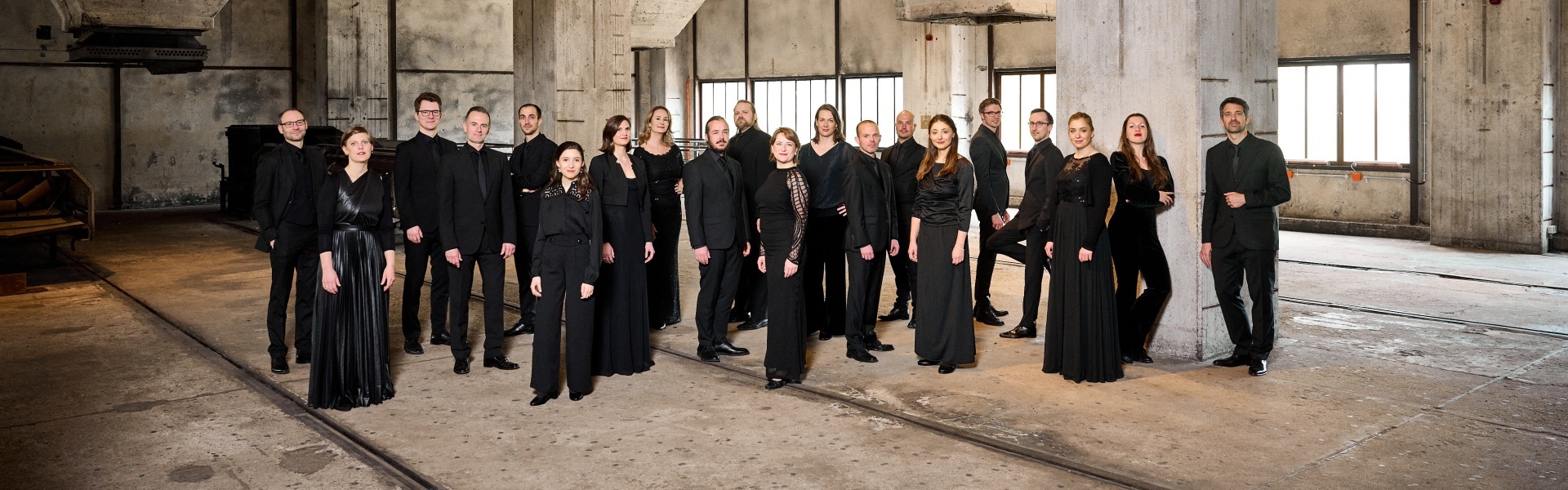
Sometimes it all begins with a voice. A voice that silences a hall. A voice that bridges centuries. A voice that consoles, contradicts, unsettles, or makes history audible again. Five evenings and a full Sunday in which the voice carries the festival: from baroque grandeur to urgent poetry.
At Flanders Festival Ghent, the voice takes on many forms: from the great art song of Matthias Goerne to the French baroque splendour of Alcide, from the choral power of I Solisti and Chorwerk Ruhr to the radical poetry of Moor Mother. And then there's Whispering Leaves: a Sunday of garden performances spread across Sint-Amandsberg. Intimate, multi-voiced, rustling, sometimes almost whisper-close. A series in which singing doesn't just sound from the stage, but behaves like breath, like an encounter, like a trace running through the festival.
Together, these concerts form a vocal thread through Gent Festival van Vlaanderen: singing not as ornament, but as a way of hearing the world more sharply.
26.09 | Matthias Goerne & Camerata RCO | Song from Exile


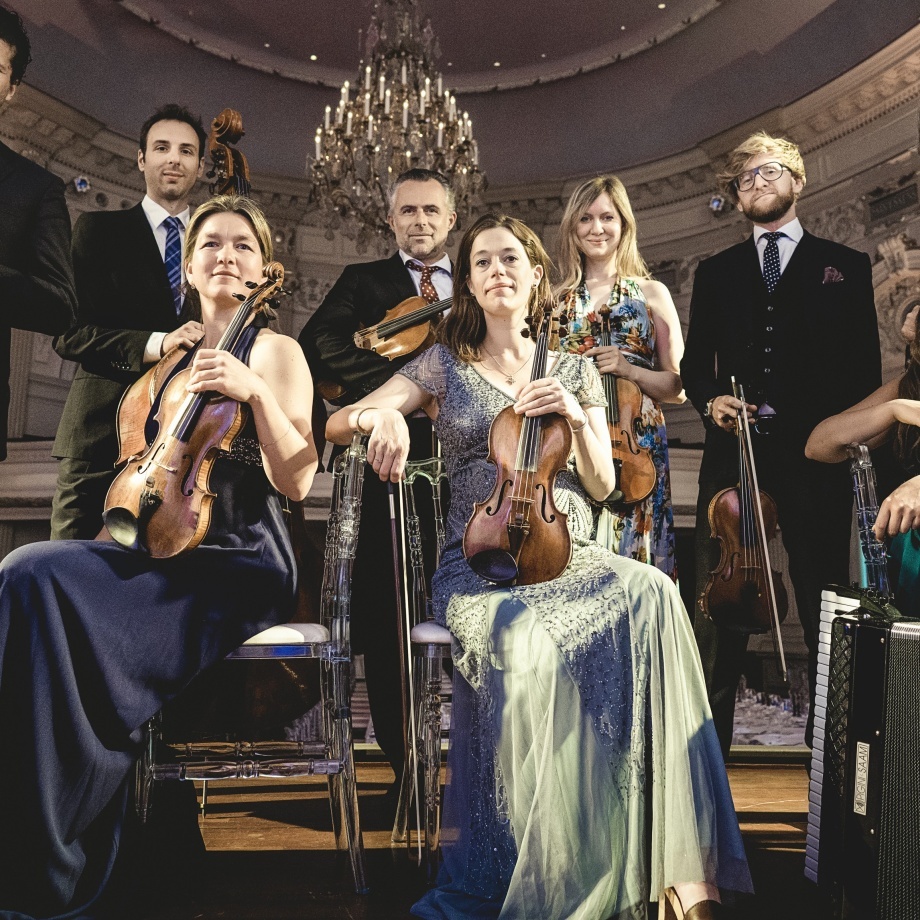
Matthias Goerne is one of the great lieder singers of our time. In Ghent, together with Camerata RCO, he presents a programme built around Hanns Eisler and Franz Schubert: music about longing, displacement and memory. Eisler's Hollywood Songbook was written in Los Angeles, in exile, among German artists and intellectuals who had fled the Nazi regime. Songs like small rooms of grief, irony and the will to survive. Alongside Eisler comes Schubert, the source from which the German lied tradition keeps flowing. Two worlds, one thread: the voice as the place where history becomes personal.
19.09 | Alcide – The Triumph of Hercules
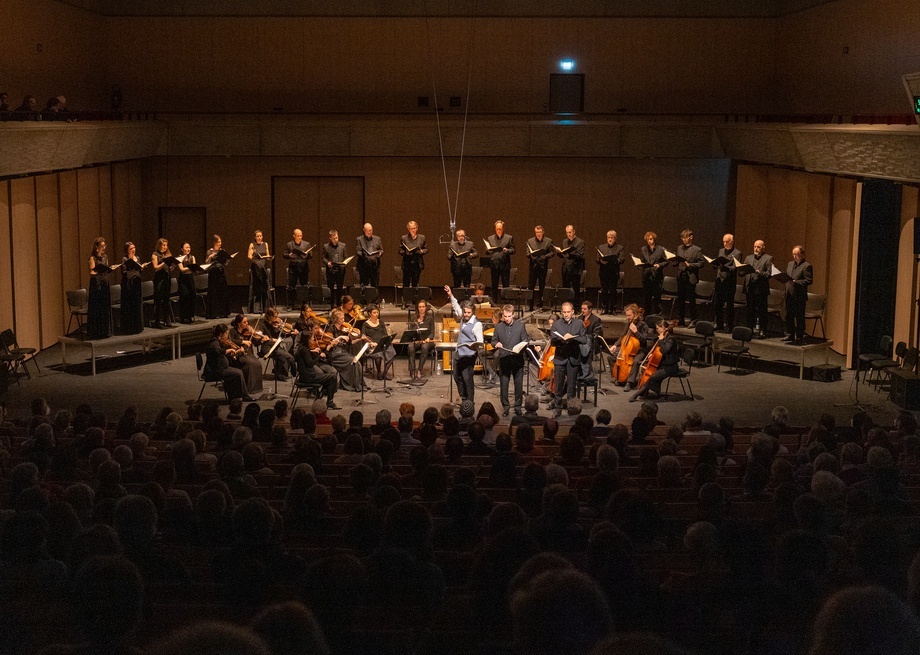
French baroque at full force. With Alcide, a nocte temporis joins forces with the Chœur de Chambre de Namur to dust off a rarely heard French baroque opera. Marin Marais and Louis Lully bring together everything that makes this repertoire so seductive: vocal drama, elegant dances, richly orchestrated colours and a story in which love, jealousy and heroism sit dangerously close together. An evening for anyone who loves baroque in full glory, but also for anyone curious to discover just how alive, physical and theatrical this music can still be today.
22.09 | Against the War
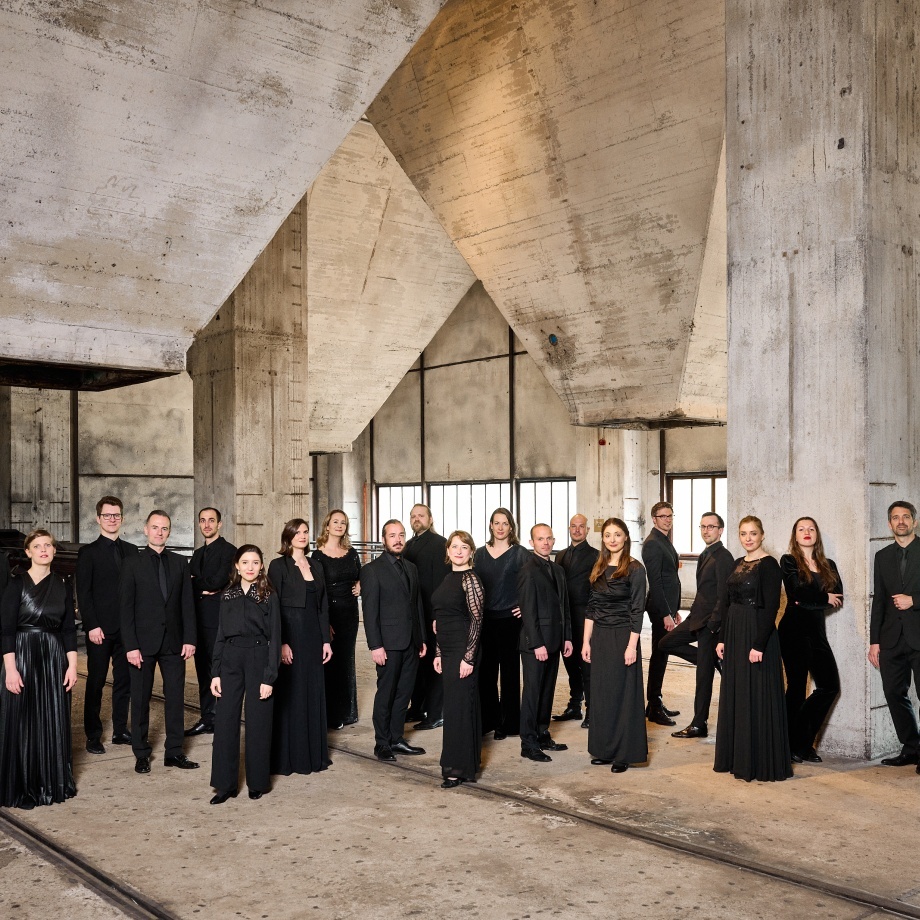
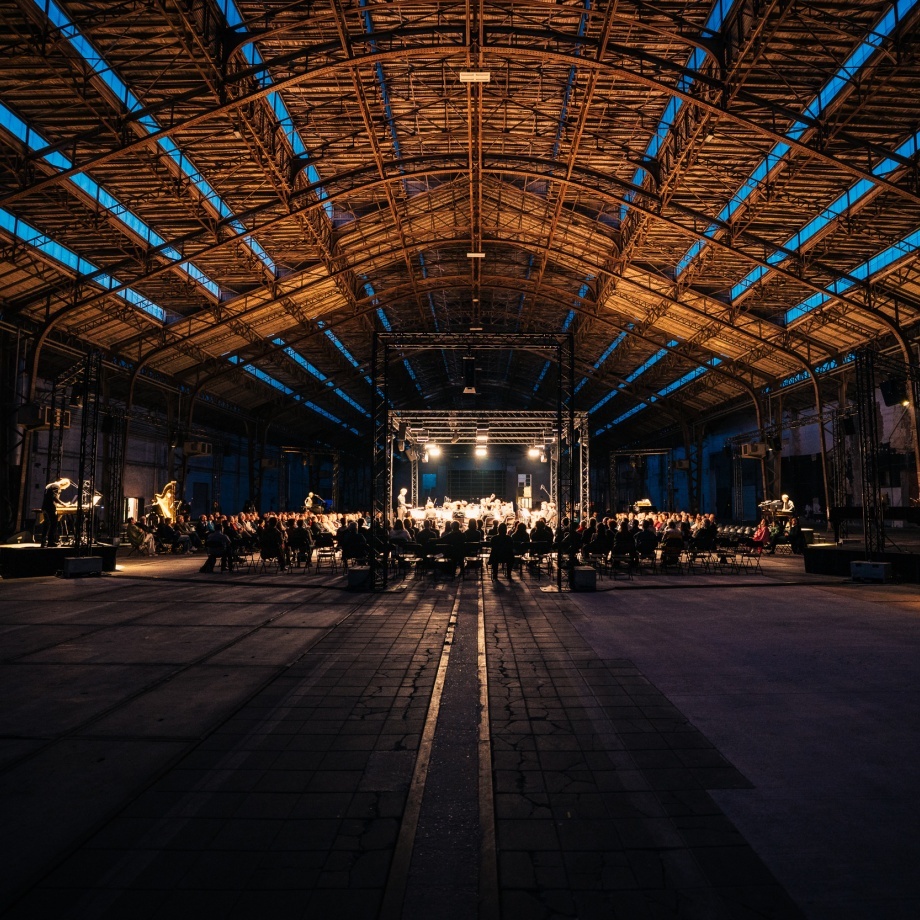
I Solisti and Chorwerk Ruhr bring a concert that sets out from war, loss and unrest, but doesn't stay stuck in darkness. With music by Weill, Brecht, Eisler, Mauersberger and Schönberg, the programme looks at the fractures of the twentieth century while feeling painfully relevant today. In the arena of the Wintercircus, that music takes on extra weight. A place built around spectacle, around watching and being watched, becomes here a space for remembrance, mourning and contradiction. At its heart is the question of how music can speak when words fall short. Not as a manifesto, but as breathing space. As resistance. As a quiet longing for peace.
16.09 | Einstein on the Beach: Collegium Vocale Gent, Ictus & Moor Mother
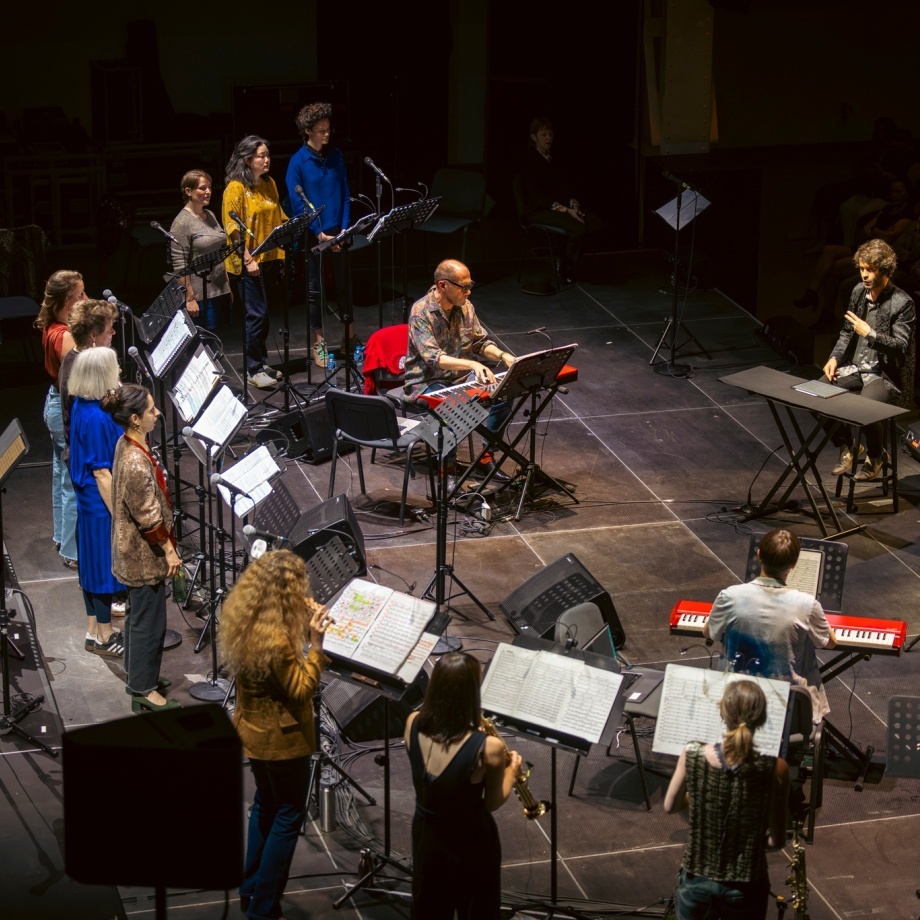
Philip Glass's Einstein on the Beach is an icon of minimal music: rhythm, repetition, numbers, syllables, light and trance. In this special version, Moor Mother stands opposite, alongside and right through that musical machine. Her voice cuts open what remains pulsing in Glass's score. Poetry rubs against pattern. Language collides with trance. The result isn't a reconstruction, but an encounter between two forces: the tight architecture of Glass and the urgent, rhythmic imagination of Moor Mother.
17.09 | Moor Mother & RAZEN
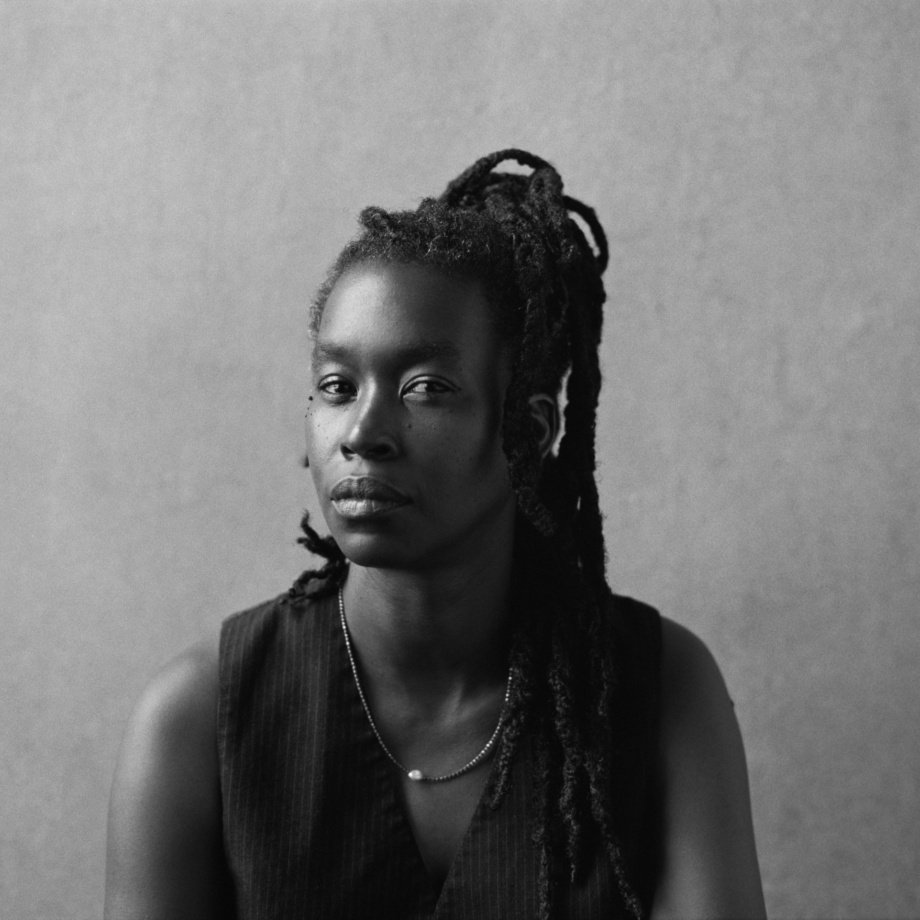
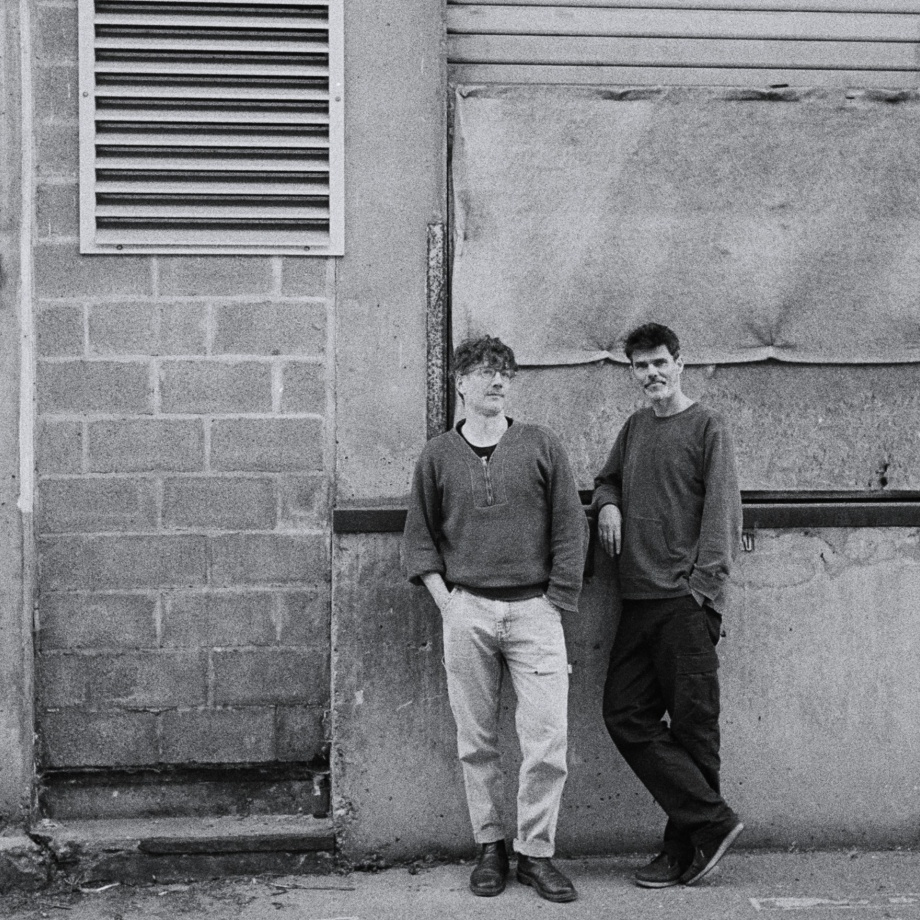
Voice, string, noise and ritual. In her double bill with RAZEN, Moor Mother appears in a different guise. Less monumental, closer to the skin. RAZEN builds a world of old instruments, drones, slow tensions and sounds that seem to come from a time that can't quite be placed. Against that stands Moor Mother: voice as archive, as incantation, as fault line. Together they open up a space between concert, ritual and memory. Music that doesn't explain, but conjures. That doesn't move straight ahead, but keeps haunting.
20.09 | Whispering Leaves
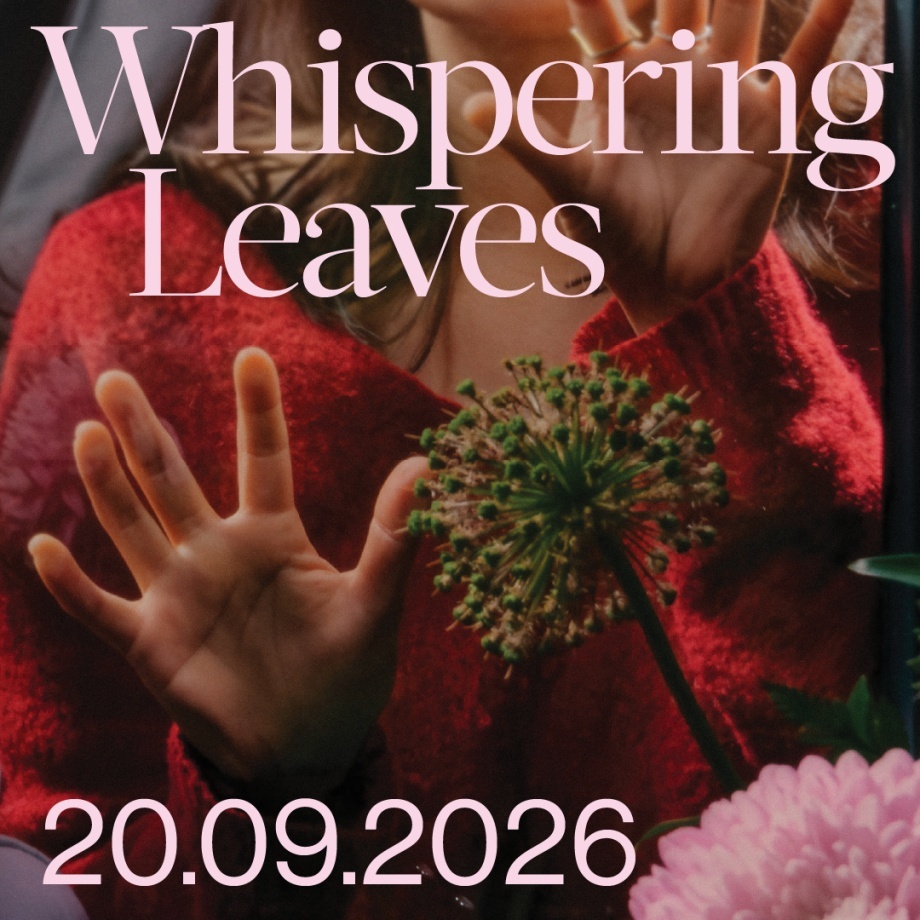
Where the grand vocal evenings show the voice in full power, Whispering Leaves searches for something else: the voice up close. In gardens, among the leaves, listening becomes a way of drawing near.
Eliana Glass brings songs that seem to move between jazz, folk and inner monologue: clear, vulnerable, but never fragile. With Lovers, the voice becomes something collective, something that breathes through communal singing and softly glowing melodies. Las Lloronas weaves multiple voices together into stories of origin, loss and resistance. Les Itinérantes draw lines between early music, worldly sounds and vocal imagination. And artists like ADJA, Bibiri and Sarah de Koning & Natasha Pirard also show just how broad and mobile the voice can be today.
Whispering Leaves isn't a pause in the festival, but a distillation of it. A Sunday when the city slows down for a moment and voices don't just sound, but rustle, circle, linger. Singing as trace. As encounter. As gentle unsettling.