Rules of the Game, Rules of Desire
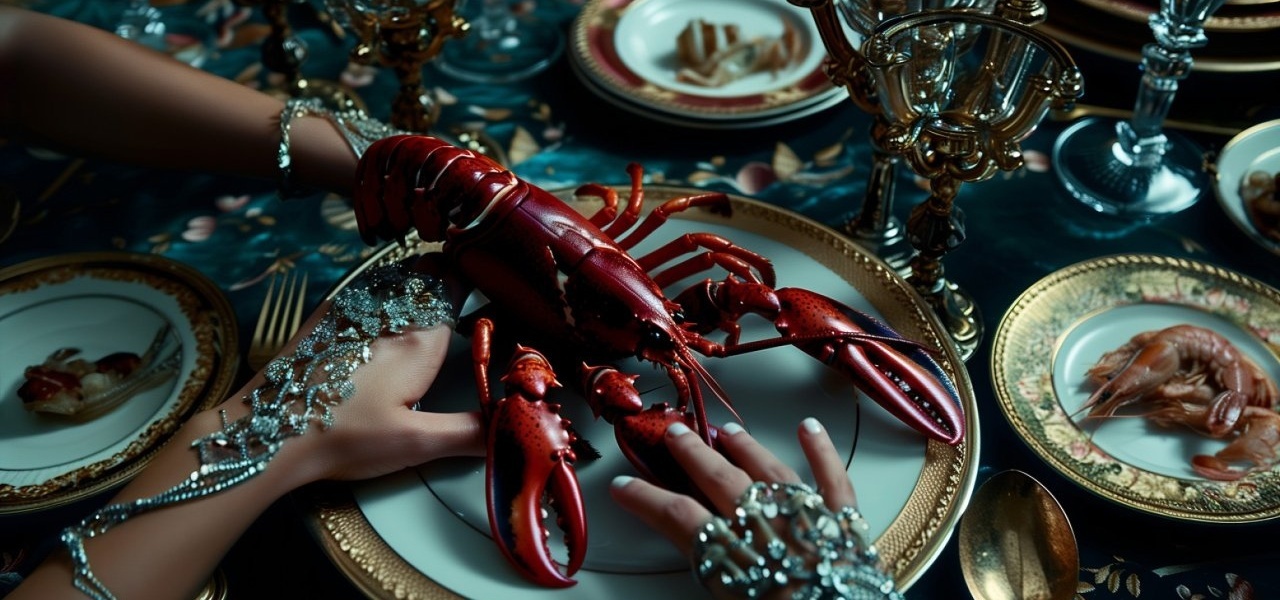
A basketball court. A table set for dinner. Two spaces already in motion before you enter, each with its own logic, its own tempo, its own quiet demands.
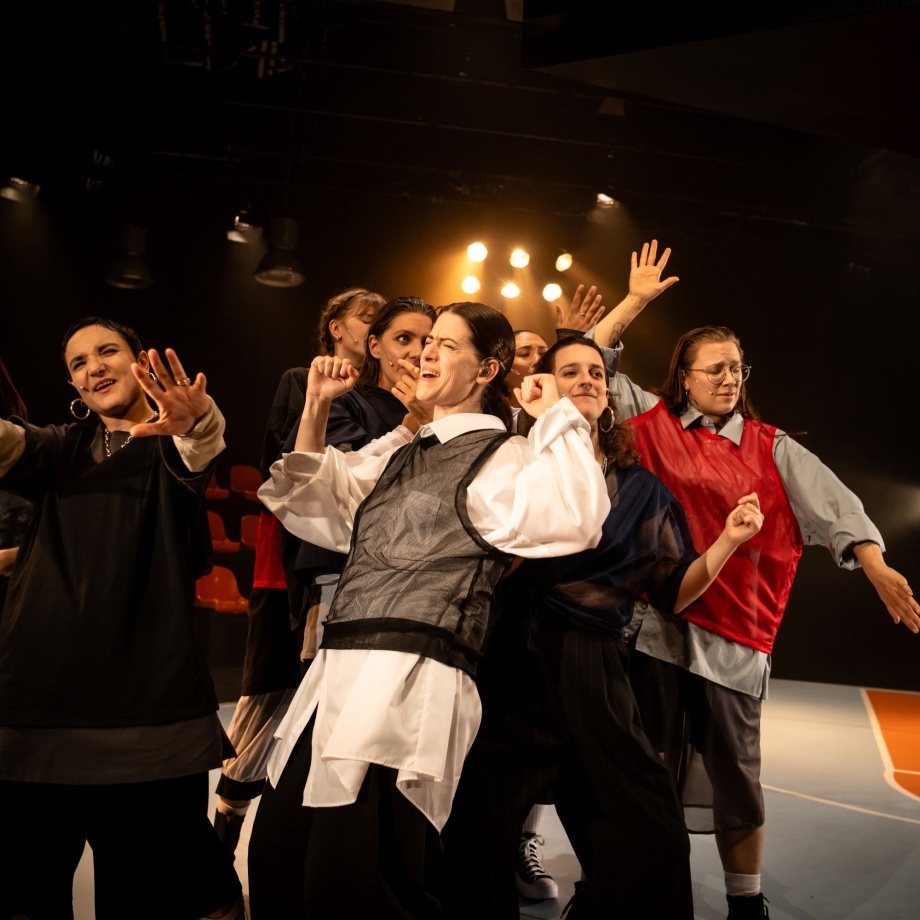
In HUNTER, Liesa Van der Aa treats the court not as an image but as a working environment. Eight performers from the Berlin vocal ensemble B O D I E S move across the field, with soprano Naomi Beeldens holding the sideline and Van der Aa herself taking the role of referee. A whistle marks the start, and from that moment on, movement becomes rhythm and position becomes voice. What appears at first as a game unfolds as a tightly organised system in which actions repeat, patterns return and timing locks everything into place.
The material draws on Björk’s album Homogenic. Fragments of Jóga, Hunter and Unravel are taken apart and reworked, threaded through new music and electronics. Voices loop and overlap, sliding between alignment and friction. The piece holds itself in a state of precision that gradually begins to strain, as if the very discipline that sustains it is also what pushes it towards its limit.
Van der Aa’s background in classical violin sits just beneath the surface, not as reference but as method. Control, repetition and exact timing are not questioned but extended, followed through until they begin to shift. The system does not break from the outside. It bends from within.
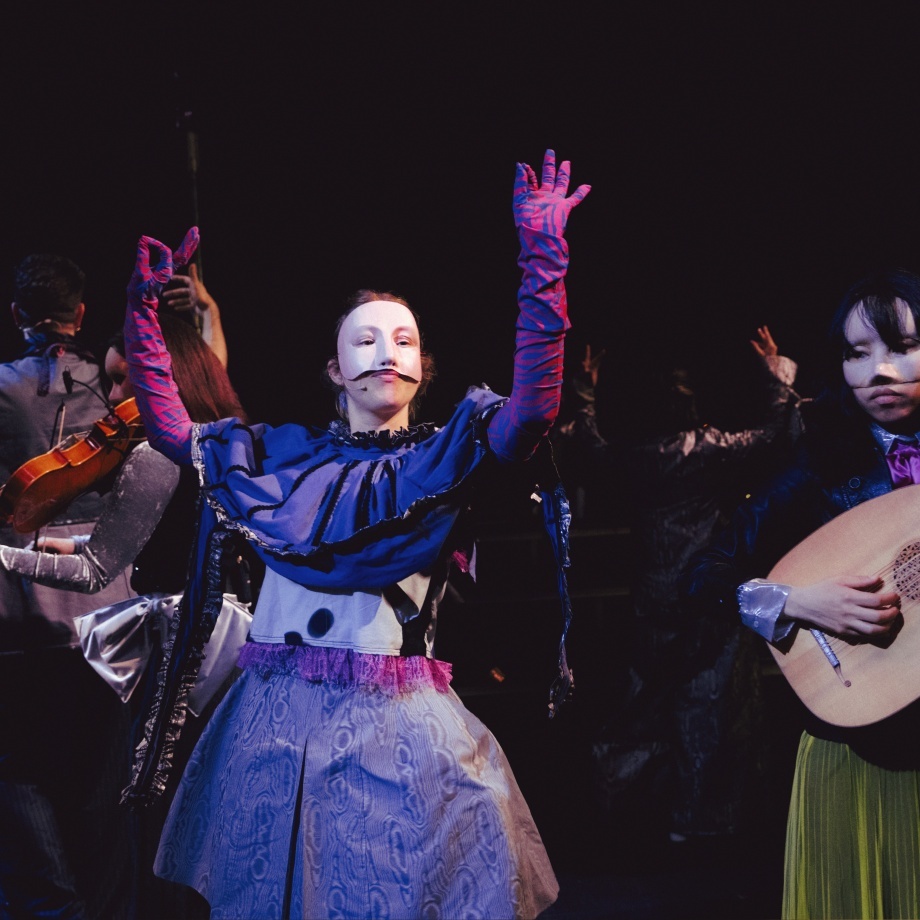
In EAT ME, director Aïda Gabriëls sets a table and lets the situation unfold. Glasses fill, gestures repeat, roles settle into place. Someone cooks, someone serves, and yet the meal never quite arrives. What remains is the act of continuation itself, sustained beyond the point where it would normally resolve.
Here too, music structures the experience. It determines pace, distributes attention, shapes behaviour. What begins as hospitality reveals itself as a mechanism, one that quietly organises who gives, who takes and who keeps going. Composer Jonathan Bonny builds the score as an expanding field of references in which Jean-Baptiste Lully and Antonio Vivaldi coexist with Britney Spears. Ornament accumulates, bass lines insist, and pleasure circulates as a continuous current rather than a climax.
Performed live by B’Rock Orchestra and pop and classical singers moving between guest, host and accomplice, the music does not remain confined to a stage but travels through the space, attaching itself to bodies, gestures and timing. The libretto by Dominique De Groen sharpens the edge, moving between seduction and critique while circling questions of appetite and desire. Around it, :mentalKLINIK constructs a glossy environment in which dining, watching and listening collapse into a single surface.

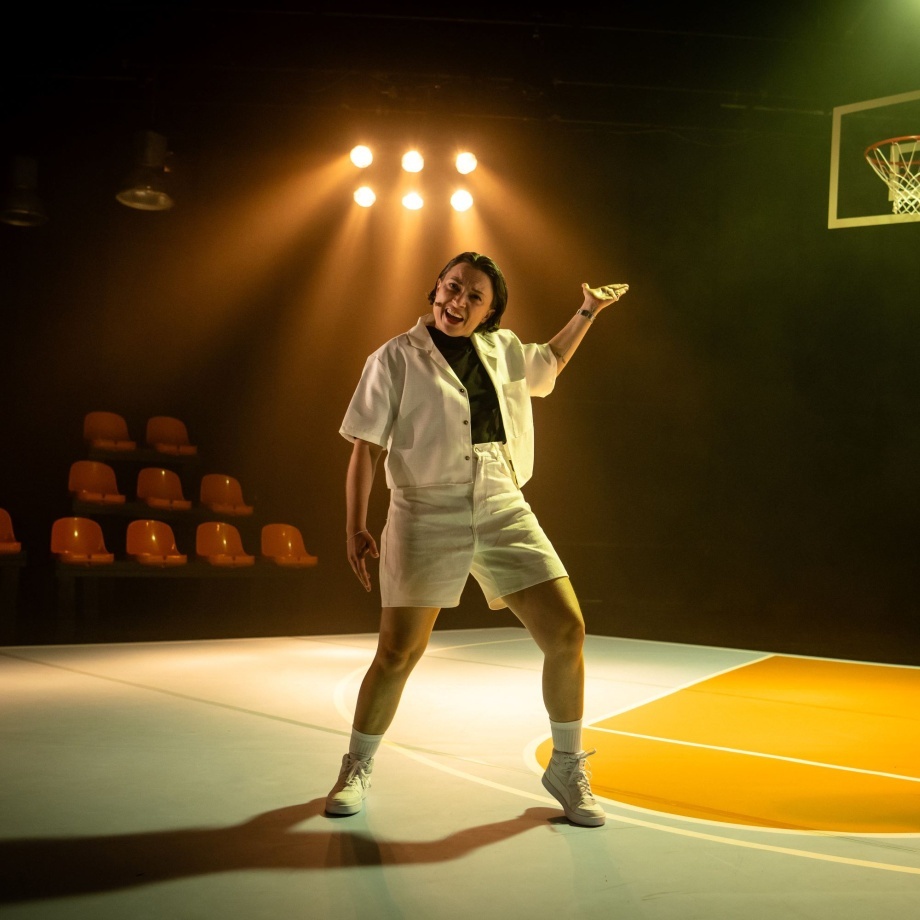
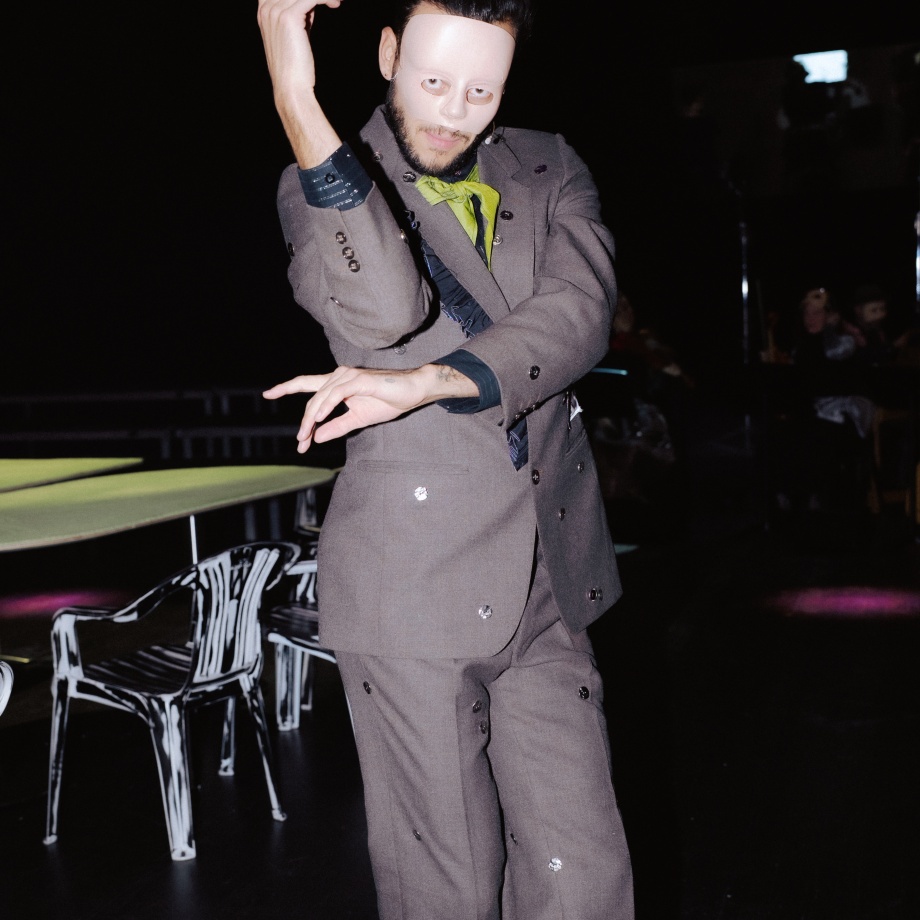
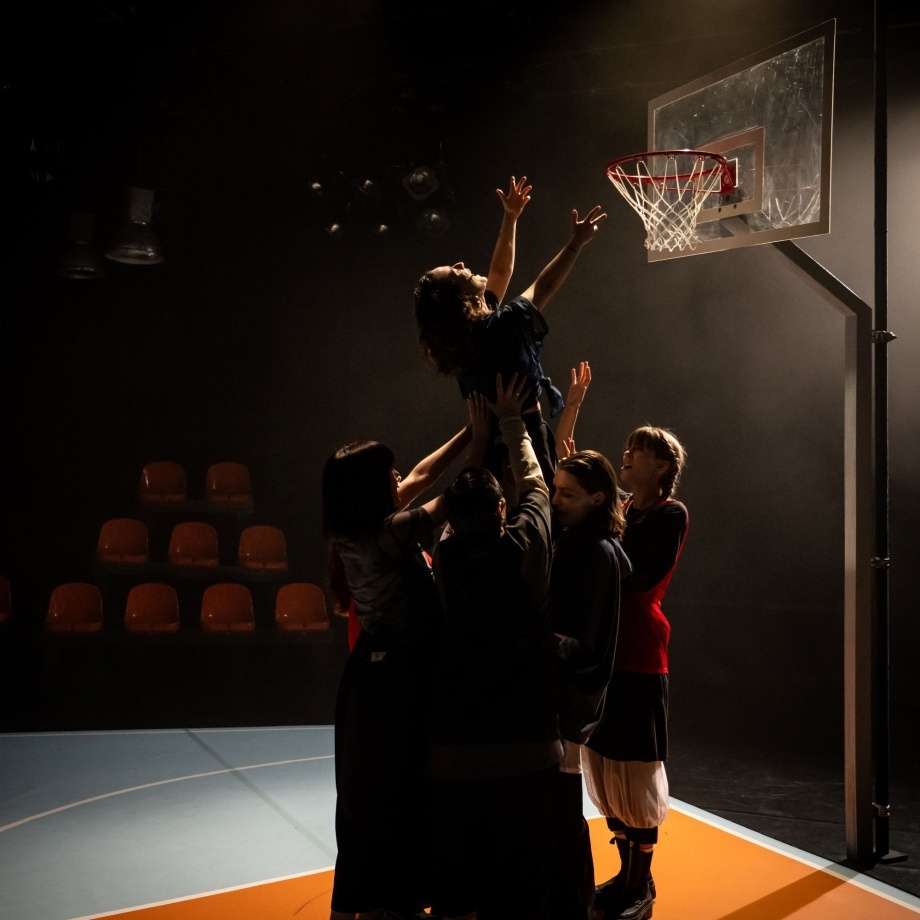
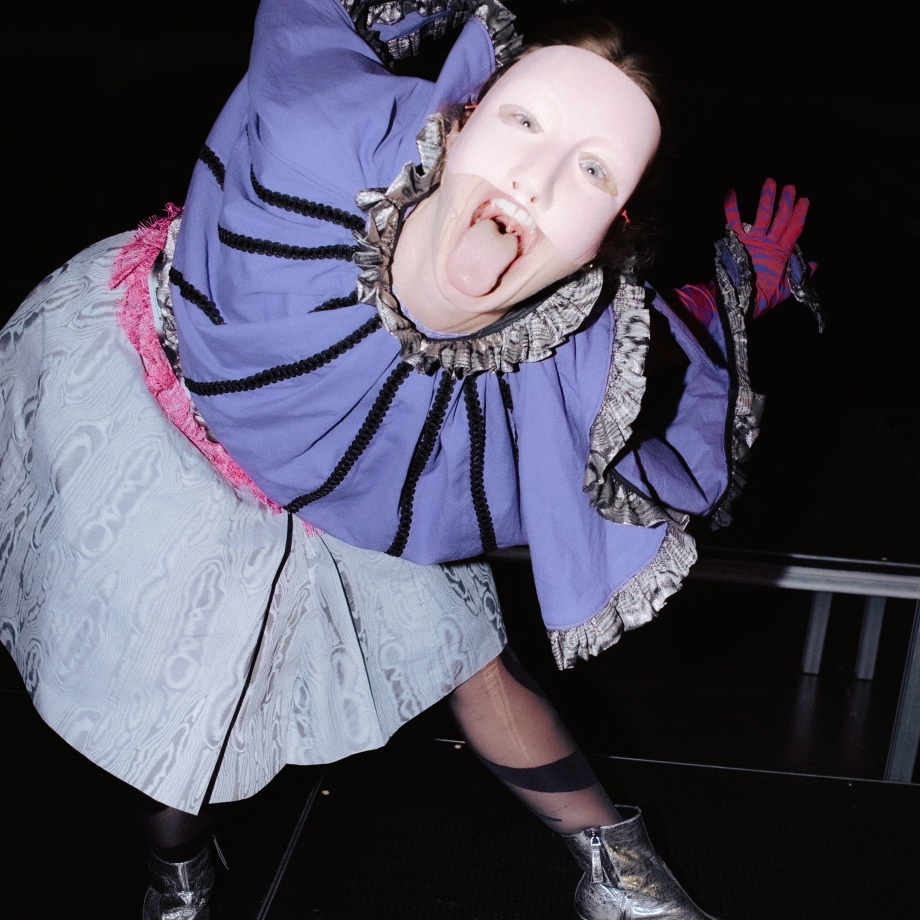
A sports game and a dinner, both familiar, both governed by rules that are easy to recognise and even easier to follow. In HUNTER, those rules distribute bodies and attention with increasing intensity, until repetition begins to feel less like structure and more like pressure. In EAT ME, the same logic unfolds more softly, through gestures of care and continuation, until the absence of resolution becomes its own form of insistence.
In both cases, music is not something you listen to from a distance but something you move within. It sets a pace, establishes a rhythm of participation, and draws you into alignment with what is happening around you. What begins as observation becomes involvement. The game continues, the table remains set, and gradually the question is no longer what you are watching, but how far you are willing to stay inside it.
And why, once you are there, it feels so natural to keep going.