This years' theme: Please Disturb
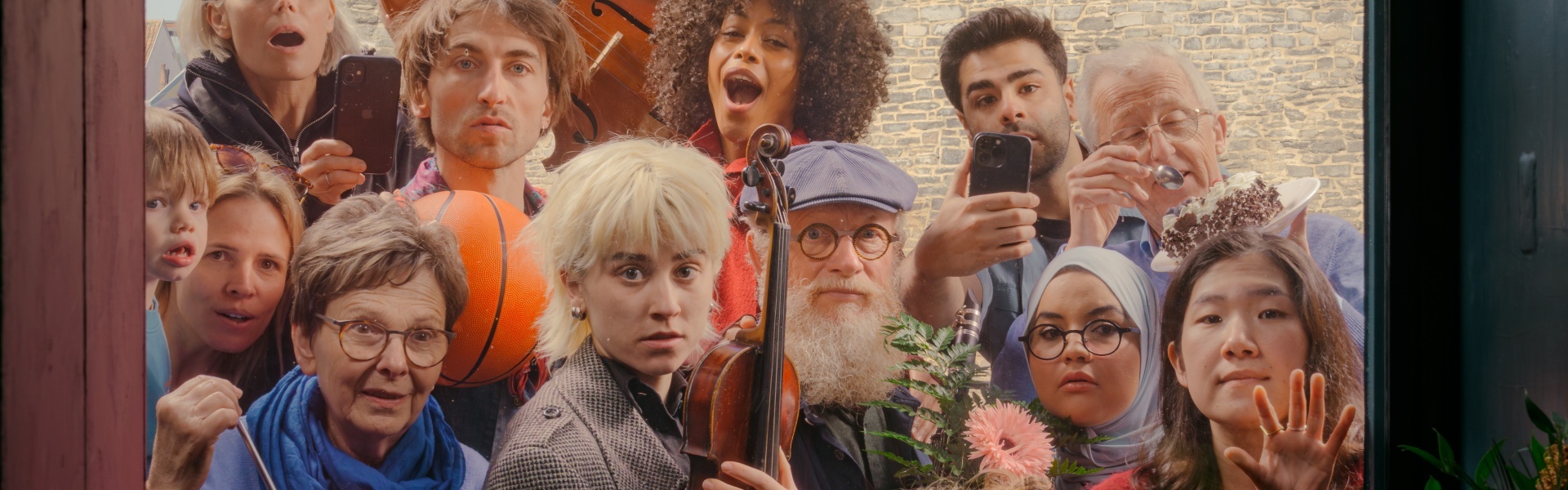
A festival begins long before the first note. In the queue, in the glance exchanged with a stranger, in the small decision to enter a room together. Some arrive fluent in the repertoire, others curious, cautious, or simply passing by. A festival holds all of them at once. It only becomes real when they share time, space and sound.
Classical music has always been a social technology. It knows how to organise bodies, attention and silence. It has trained us when to sit, when to listen, when to respond. These gestures still matter. But they are no longer self-evident. Please Disturb lets them shift, collide, loosen. Not to replace them, but to see what they do today.
Across the city, music appears in different guises. Sometimes it asks for concentration, duration, commitment. Sometimes it allows distraction, movement, return. A cathedral invites one kind of listening. A club another. A street yet another. None is more correct. Each produces its own form of togetherness.
This festival is not a showcase. It is a temporary public space. A place where people who do not normally meet, find themselves sharing a rhythm, a pause, a moment of intensity. Where listening becomes a social act as well as a private achievement. Where music is not something you consume, but something that happens to you and to others at the same time.
Please Disturb does not promise comfort or consensus. It trusts friction. Between old forms and new habits. Between focused attention and drifting presence. Between those who are familiar with the codes and those who don’t know them at all.
A festival cannot tell you how to listen. It can only create conditions.
Enter. Leave. Linger. Return. Talk about what you heard, or don’t. Let the sound reorganise the room, even briefly.
Please Disturb.